Question 161 · 197 in bank
-- Exhibit
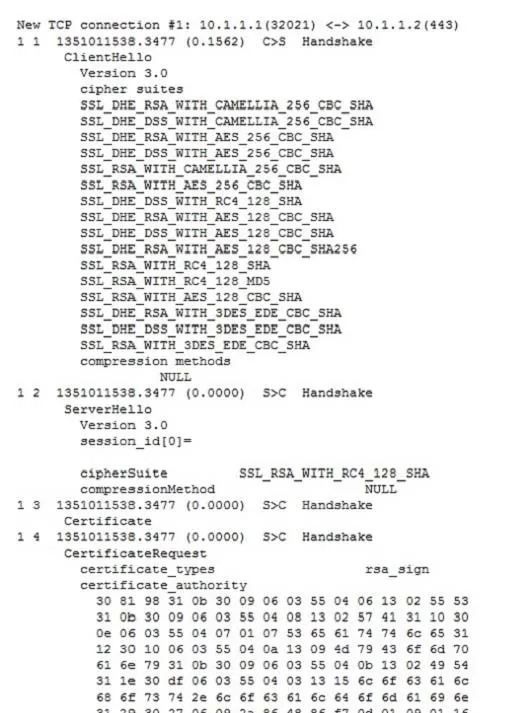
-- Exhibit -- Refer to the exhibit. A user is unable to access a secure application via a virtual server. What is the cause of the issue?
Show answer
Answer: A
BIG-IP LTM Specialist: Maintain and Troubleshoot197 questions across 20 pages are complete and free, with no account or card.
197 questions in this bank
Free access · progress saved on this device
-- Exhibit
-- Exhibit -- Refer to the exhibit. A user is unable to access a secure application via a virtual server. What is the cause of the issue?
Answer: A
-- Exhibit

-- Exhibit -- Refer to the exhibit. An LTM Specialist is troubleshooting an issue with a new virtual server. When connecting through the virtual server, clients receive the message "The connection was reset" in the browser. Connections directly to the pool member show the application is functioning correctly. What is the issue?
Answer: D
-- Exhibit
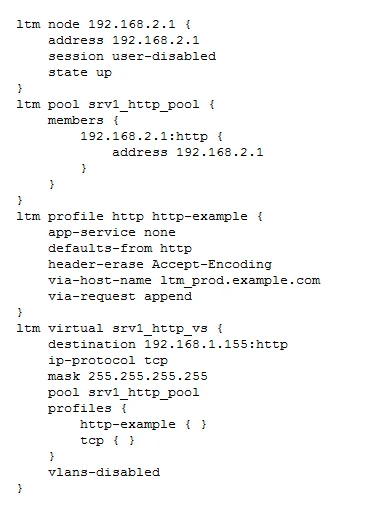
-- Exhibit -- Refer to the exhibit. An LTM Specialist is troubleshooting a virtual server. Both the virtual server and the pool are showing blue squares for their statuses, and new clients report receiving "The connection was reset" through their browsers. Connections directly to the pool member are successful. What is the issue?
Answer: B
-- Exhibit
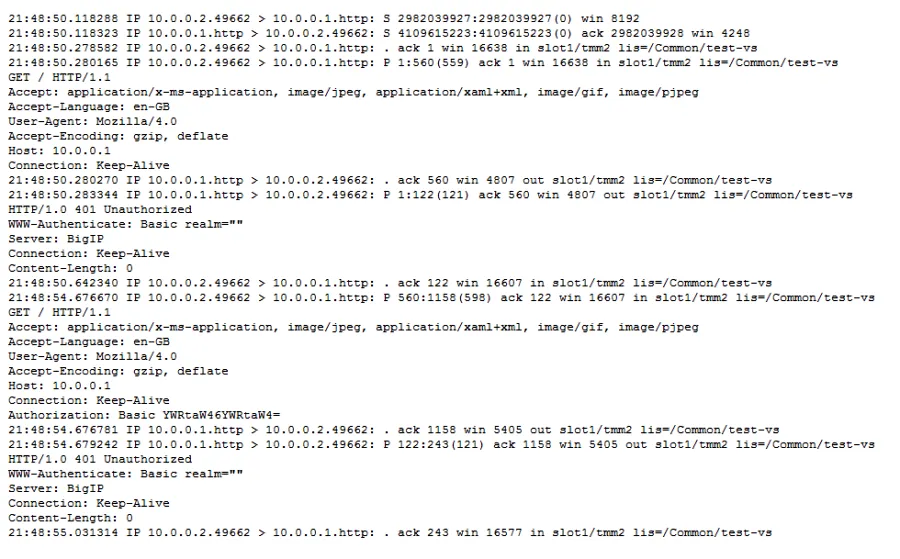
-- Exhibit -- Refer to the exhibit. A user is unable to access an application. What is the root cause of the problem?
Answer: C
-- Exhibit

-- Exhibit -- Refer to the exhibit. An LTM Specialist is troubleshooting an HTTP monitor that is marking a pool member as down. Connecting to the pool member directly through a browser shows the application is up and functioning correctly. How should the send string be modified to correct this issue?
Answer: B
-- Exhibit
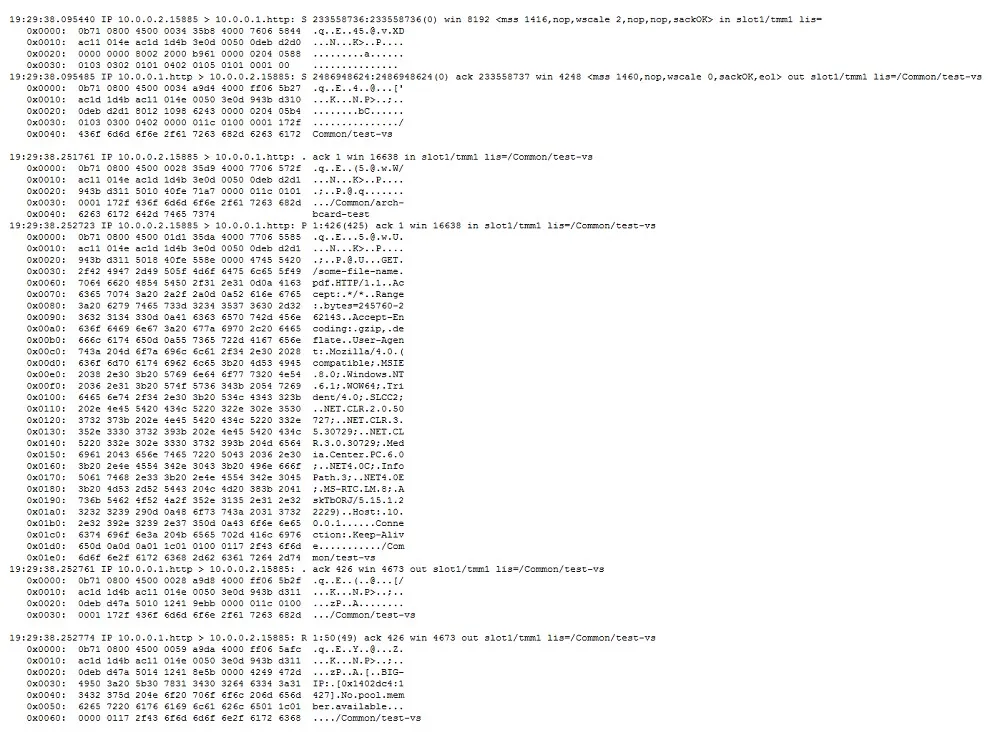
-- Exhibit -- Refer to the exhibit. A user is unable to access an HTTP application via a virtual server. What is the cause of the failure?
Answer: D
-- Exhibit
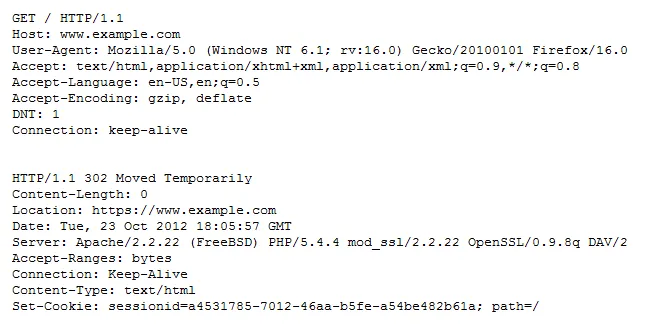
-- Exhibit -- Refer to the exhibit. An LTM Specialist is performing an HTTP trace on the client side of the LTM device and notices there are many undesired headers being sent by the server in the response. The LTM Specialist wants to remove all response headers except "Set-Cookie" and "Location." How should the LTM Specialist modify the HTTP profile to remove undesired headers from the HTTP response?
Answer: D
-- Exhibit
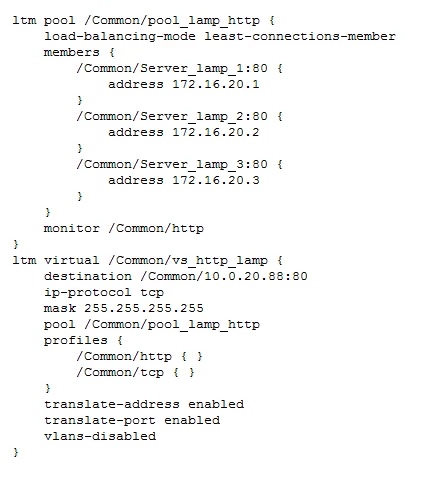
-- Exhibit -- Refer to the exhibit. Users report that a web application works incorrectly. Sometimes contextual data displayed on the web pages is accurate; other times it is inaccurate. The LTM administrator looks at the connection table with a filter on one of the client IP addresses currently connected using the command "tmsh show sys connection cs-client-addr 10.0.20.1" with the following results: 10.0.20.1:60048 10.0.20.88:80 10.0.20.1:60048 172.16.20.1:80 tcp 3 (tmm: 0) 10.0.20.1:60050 10.0.20.88:80 10.0.20.1:60050 172.16.20.3:80 tcp 3 (tmm: 0) 10.0.20.1:60047 10.0.20.88:80 10.0.20.1:60047 172.16.20.2:80 tcp 3 (tmm: 0) 10.0.20.1:60049 10.0.20.88:80 10.0.20.1:60049 172.16.20.1:80 tcp 3 (tmm: 0) What is the solution to the problem?
Answer: C
-- Exhibit

-- Exhibit -- Refer to the exhibit. The virtual server is listening on port 443. What is the solution to the problem?
Answer: B
-- Exhibit
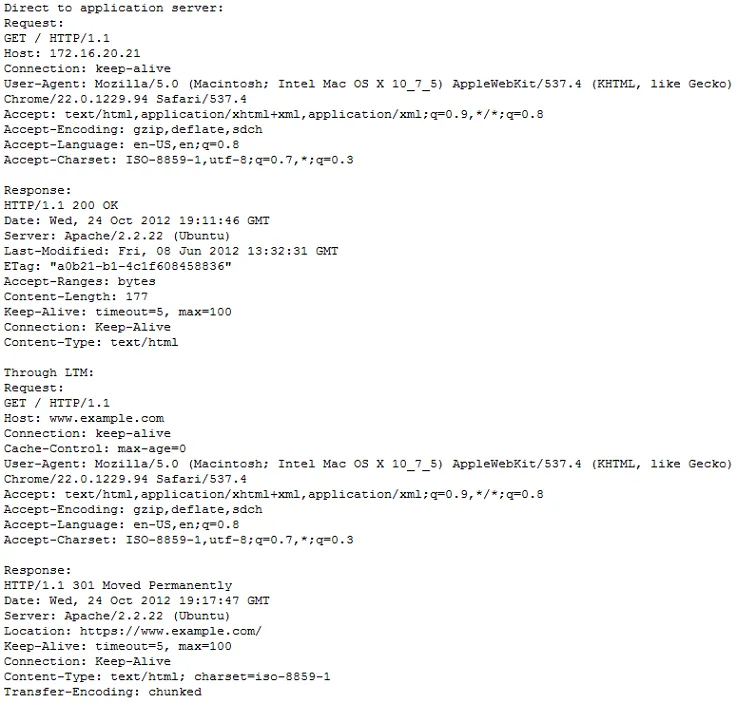
-- Exhibit -- Refer to the exhibit. An LTM Specialist has created a virtual server to balance connections to a pool of application servers and offload SSL decryption. Clients connect to the application at https://www.example.com/. The virtual server is configured with a clientssl profile but no serverssl profile. The application servers are listening on ports 80 and 443. Users are unable to connect to the application through the virtual server but are able to connect directly to the application server. What is the root cause of the error?
Answer: D
Keyboard:J Kmove between questionsA–Dselect an answerRshow or hide the answer← →change page
301B practice, question 161. 197 questions available.
Version 1.0.0. How we source questions